S1 E6: When One Toxic Leader Destroys the Culture (And Still Gets Promoted)
Hosted by Marissa Green and Susan Page.
Brave Proximity Podcast — Season 1, Episode 6.
In this episode of Brave Proximity, Marissa Green and Susan Page expose the secret
promotion cycle that keeps toxic high-performers rising while Silent Heroes do the
work of keeping culture alive. They cover why organisations trade long-term
resilience for short-term numbers, how to measure the 'how' not just the 'what',
and what it actually takes to stop rewarding the wake of bodies.
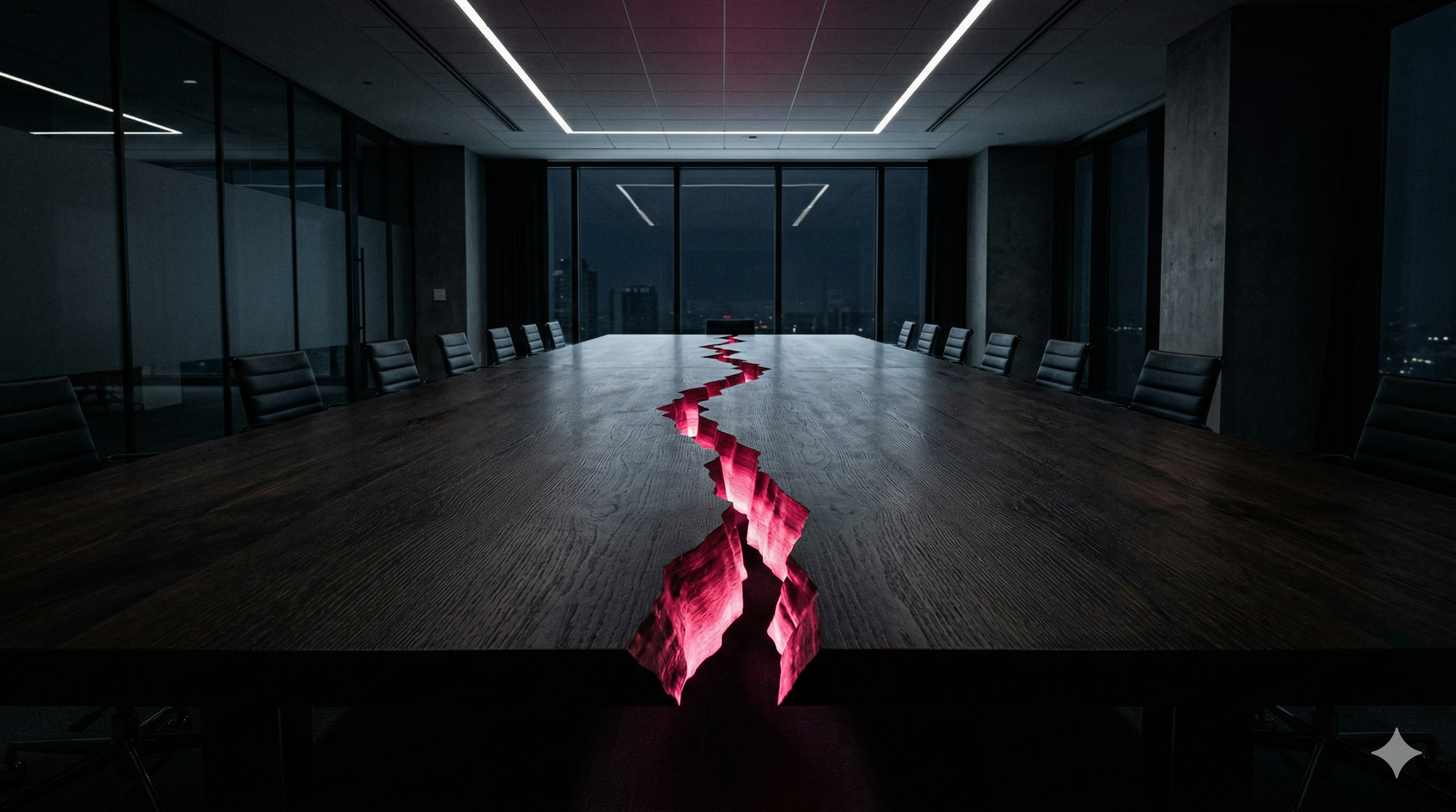
When you reward someone who leaves a wake of bodies behind them, you're not
just making a hiring mistake — you're signalling that the 'how' doesn't
actually matter.
If your measure of success for a promotion list is that nobody says ‘Are you kidding me?’
you’re already ahead of the game.
In this episode of Brave Proximity, Marissa and Susan put the elephant on the table: the "Secret Cycle of Promotion" that keeps toxic high-performers rising while the "Silent Heroes" do the actual work of keeping the culture alive. We are peeling back the layers of corporate theater to understand why organizations trade culture for "expertise" and what happens when they value a bonus over a human being.
If you’ve ever had your heart sink after reading a "promotions" email, or if you’re a leader struggling to measure the "how" in a world obsessed with the "what"—this conversation is for you.
“When you reward someone who leaves a wake of bodies behind them, you’re not just making a hiring mistake; you’re signaling that the ‘how’ doesn’t actually matter.”
One Key Takeaway:
Silence in the face of toxicity is an active choice.
Organizations trade long-term resilience for short-term numbers when they allow expertise to become a shield for toxic behavior. Real leadership isn't just about the "what" (the results); it's about the "how" (the humanity). If you're a changemaker, your legacy is built on the moments you chose to say the true thing, even when it was scary.
Brave Reflection
When was the last time you had the "balls" to name the true thing about a toxic high-performer?
Are you "slinking through the dark" to avoid office politics, or are you stepping into brave proximity and pushing the boulder a little further up the mountain?
Take the Conversation Further
We don’t just want you to listen; we want you to practice. Because silence in the face of toxicity is an active choice, even if that silence is simply not knowing how to start the difficult conversation.
Download the S1 E6 Practice Guide: Naming the "Garbage Pail Kids" of Leadership This guide is a tactical tool for changemakers who are tired of the "Office Politics" and want to start driving real accountability for the "how." It includes:
The Vocabulary Audit: Swapping "corporate theater" descriptors for human-centered accountability.
The Silent Hero Check-In: Questions to help you identify and support the outperformed, quiet leaders in your organization.
The Peer-to-Peer Scripting Framework: Language to help you get proximate to the toxic behavior, calling it out from a place of camouflage and curiosity, not just criticism.
The Culture Audit: Assessing where your organization is trading psychological safety for a bonus.
If you’ve ever read a promotion announcement and felt your “heart sink” because the name at the top didn't match the values on the wall...
This episode is your permission to stop being a "quiet hero" while a toxic leader slinks through the dark. It’s time to move toward "Brave Proximity"—where we prioritize the "how" just as much as the "what" and refuse to let performance be a shield for dehumanization.
This is your cue to stop ignoring the "noisy vacuum" and start leading with accountability.
-
00:00 — The Elephant: Why toxic leaders continue to rise.
02:10 — The Strategic Sacrifice: Why orgs trade culture for "expertise".
03:14 — The Promotion List Test: "Are you kidding me?".
06:40 — The "What" vs. The "How": Lip service vs. reality.
08:58 — The Silent Hero vs. The Noisy Vacuum: Who is actually doing the work?.
11:45 — The Hiding Leader: Why now is the time to stop slinking through the dark.
18:48 — The Cost of Silence: Why you can't just sit in silence on toxicity.
25:47 — BONUS: The Garbage Pail Kids of Leadership: Ghost Decision Greg, Shame-Based Sharon, and more.
-
-